


When most ecommerce brands think about working with a 3PL, they think about warehousing, picking, packing and shipping. What often gets overlooked is the technology that makes everything work together.
3PL integration is simply the connection between your ecommerce store, inventory systems and fulfilment provider. It allows orders, inventory updates and tracking information to flow automatically between platforms, reducing manual work and giving you greater visibility across your operation.
For growing ecommerce businesses, good integration means fewer spreadsheets, fewer mistakes and more time spent growing the business rather than managing fulfilment.
Why 3PL Integration Matters
As order volumes increase, manual processes become harder to manage. Uploading orders manually, updating inventory across multiple platforms and responding to customer enquiries about tracking might work when you’re shipping a handful of orders each day. It becomes much more difficult when you’re shipping hundreds or thousands.
Integration removes much of that operational burden. When a customer places an order, it flows directly into your fulfilment system. Inventory updates automatically. Tracking information is sent back to your store. Everyone is working from the same information. The result is a smoother experience for both your team and your customers.
What Does a Typical 3PL Integration Look Like?
While every setup is slightly different, most ecommerce businesses use some combination of the following systems:
- Ecommerce platform (Shopify, WooCommerce, BigCommerce etc.)
- Warehouse Management System (WMS)
- Inventory Management System
- ERP or Accounting Platform
- Shipping and Carrier Platforms
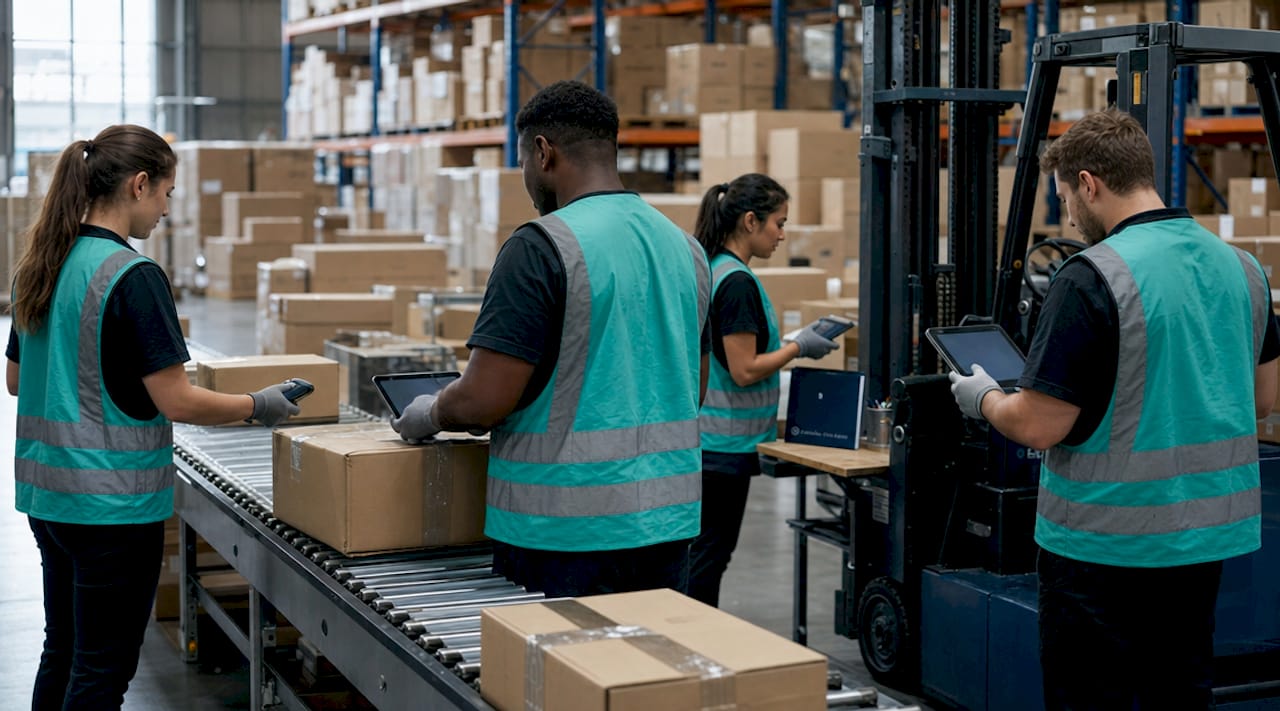
The goal is simple: information only needs to be entered once. When a customer places an order, the order automatically appears in the warehouse. Once it’s picked, packed and dispatched, tracking information is automatically sent back to your store and customer. Without integration, much of this process relies on manual updates and duplicate data entry.
The Benefits of 3PL Integration
More Accurate Inventory
One of the most common frustrations for ecommerce businesses is inventory inaccuracies.
When systems are connected properly, stock levels update automatically as orders are fulfilled. This reduces the risk of overselling products that are no longer available and helps maintain customer confidence.
Faster Order Processing
Integrated systems allow orders to move directly into the warehouse without manual intervention.
This shortens the time between purchase and dispatch and helps create a more consistent customer experience.
Better Visibility
Good integration gives you visibility across inventory, orders and shipments.
Instead of logging into multiple systems and trying to piece together information, you can see what’s happening across the operation in real time.
Less Administrative Work
Many growing brands reach a point where too much time is spent managing fulfilment rather than growing the business.
Integration reduces manual tasks and allows your team to focus on activities that actually drive growth.
Improved Customer Experience
Customers want fast shipping, accurate information and visibility once their order has been dispatched.
When tracking information is automatically communicated and inventory remains accurate, customer service enquiries naturally decrease.
What Factors Influence Choosing a 3PL Integration Method?
Not every business requires the same level of integration.
A growing Shopify brand has very different requirements to a large retailer supplying major chains through EDI.
The most important thing is understanding what information needs to move between systems and where that information should live.
Some of the key questions include:
- Where is inventory managed?
- Where do orders originate?
- How will tracking information be communicated?
- How are returns handled?
- What happens when inventory discrepancies occur?
The answers to these questions are often more important than the technology itself.
The Integration Decisions That Actually Matter
One of the biggest mistakes we see is businesses treating integration as purely a technical project.
The software matters, but the business process matters more.
Before connecting anything, it’s important to decide which system owns each piece of information. If multiple systems are trying to manage the same inventory or order data, problems usually follow.
Testing is equally important.
A single successful test order doesn’t mean you’re ready to go live. Bundles, backorders, split shipments, returns and special order types should all be tested before launch.
The businesses that have the smoothest onboarding experience are usually the ones that spend time getting these foundations right before their first order is shipped.
How Shipment Tracking Integration Works
Shipment tracking closes the loop between your warehouse and your customer.
Once an order is dispatched, tracking information is automatically pushed back into your ecommerce platform and shared with the customer.
This gives customers visibility over their delivery while reducing the number of “Where is my order?” enquiries your team receives.
It also allows customer service teams to identify delivery issues earlier and proactively manage exceptions when they occur.
How Fulfilpackers Approaches Integration
At Fulfilpackers, we use Mintsoft to connect with Shopify, WooCommerce and a wide range of ecommerce platforms.
For most clients, the goal is simple.
Orders flow into the warehouse automatically. Inventory stays accurate. Tracking information is sent to customers without manual intervention.
The technology is important, but we believe the process behind it is even more important.
That’s why we spend time upfront understanding your products, packaging requirements, sales channels and operational workflows before going live.
Good fulfilment isn’t simply about moving products. It’s about creating systems that support growth without creating additional complexity.
Key Takeaways
| Area | What It Means |
|---|---|
| 3PL Integration | Connects your store, inventory and fulfilment systems automatically |
| Inventory Accuracy | Reduces overselling and stock discrepancies |
| Order Processing | Speeds up the time between purchase and dispatch |
| Customer Experience | Improves tracking visibility and communication |
| Scalability | Supports growth without increasing administration |
| Long Term Success | Depends as much on process design as technology |
Frequently Asked Questions
What is 3PL integration?
3PL integration is the automated connection between your ecommerce systems and your fulfilment provider, allowing orders, inventory updates and tracking information to move between platforms without manual entry.
Does Shopify integrate with a 3PL?
Yes. Shopify integrates directly with many fulfilment providers and warehouse management systems, including Mintsoft, which is used by Fulfilpackers.
What are the benefits of 3PL integration?
The main benefits include improved inventory accuracy, faster order fulfilment, better visibility, fewer manual processes and a better customer experience.
How long does a 3PL integration take?
This depends on the complexity of the business and the systems involved. For many ecommerce brands, basic integrations can be completed quickly, while more complex multi-channel businesses may require additional setup and testing.
Is 3PL integration important for small ecommerce businesses?
Yes. Even at lower order volumes, integration reduces manual work and creates a foundation that supports future growth.